Introduction
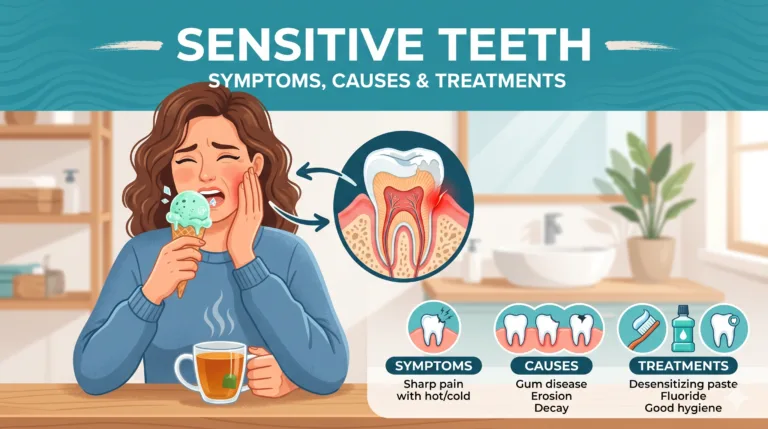
You reach for a cold glass of water, take a sip, and wince. Or you bite into something sweet and feel a sudden, sharp jolt shoot through a tooth. Maybe it happens when you step outside into cold air, or when you brush near the gumline.
If any of this sounds familiar, you are dealing with tooth sensitivity — one of the most common dental complaints in India and worldwide.
The important thing to understand is that tooth sensitivity is not just an inconvenience you have to live with. It is a symptom. Something is causing it — and in most cases, that cause is identifiable and treatable. Ignoring it, or simply switching to a sensitive toothpaste and hoping for the best, often means the underlying issue continues to worsen quietly in the background.
This blog walks you through what sensitivity actually is, what causes it, and what can genuinely be done about it.

What Is Tooth Sensitivity?
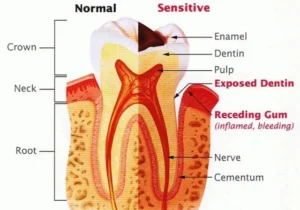
Tooth sensitivity — medically called dentine hypersensitivity — occurs when the inner layer of the tooth, called dentine, becomes exposed. Dentine lies beneath the hard outer enamel and contains thousands of microscopic tubules that connect to the nerve at the centre of the tooth.
When dentine is exposed — through worn enamel, receding gums, or a crack in the tooth — these tubules allow temperature changes, sweet or acidic substances, and even air to stimulate the nerve directly. The result is that characteristic sharp, shooting pain that comes on suddenly and fades quickly.
Understanding this mechanism matters because it points directly to what needs to be addressed in treatment. The goal is always to either block those tubules, protect the exposed dentine, or address whatever caused the exposure in the first place.
Symptoms of Tooth Sensitivity
Sensitivity can range from a mild twinge to a sharp, disabling pain. Common triggers include:
- Cold food and drinks — ice cream, cold water, chilled beverages
- Hot drinks — tea, coffee
- Sweet or sugary foods
- Acidic foods or drinks — citrus fruits, fizzy drinks, vinegar-based foods
- Cold air — especially when breathing through the mouth outdoors
- Brushing or flossing near the gumline
The pain is typically short-lived — it comes on quickly with the trigger and fades within a few seconds. If the pain lingers for longer, or if you have a dull, persistent ache, that can point to a different and more serious issue — such as a deep cavity or an inflamed nerve — which needs prompt attention.
Common Causes of Tooth Sensitivity
1. Enamel Erosion
Enamel is the hardest substance in the human body — but it is not indestructible. Frequent consumption of acidic foods and drinks (citrus juices, fizzy drinks, vinegar, wine), acid reflux, and even over-brushing can all erode enamel over time.
Once enamel wears away, it does not grow back. The dentine beneath it becomes exposed, and sensitivity follows. This is one of the most common causes of sensitivity, particularly in younger adults with acidic diets.
2. Gum Recession
The roots of your teeth are not covered by enamel — they are covered by a softer tissue called cementum, which is far less resistant to temperature and touch. When gums recede — pulling back from the tooth — the root surface becomes exposed.
Gum recession can happen gradually due to gum disease, aggressive brushing with a hard-bristled toothbrush, or simply as a natural consequence of ageing. The exposed root is highly sensitive and often the first thing a dentist will investigate when a patient reports sensitivity.
3. Tooth Grinding (Bruxism)
Many people grind their teeth at night without realising it. Over time, the constant grinding wears down the enamel on the biting surfaces, exposing the softer dentine layer beneath. If your sensitivity is concentrated on the chewing surfaces of your back teeth, or if your partner has noticed grinding sounds at night, bruxism could be the cause.
Grinding also causes jaw soreness, headaches on waking, and teeth that appear flatter or shorter than they should. A dentist can identify the signs of bruxism during a routine examination.
4. Cavities and Cracked Teeth
A cavity — even a small one — creates a pathway through the enamel directly towards the nerve. Similarly, a cracked tooth can expose dentine or allow temperature and pressure changes to reach the nerve in unpredictable ways.
If sensitivity is concentrated in one specific tooth, or is triggered by biting pressure rather than just temperature, a cavity or crack is worth ruling out with an X-ray.
5. Tooth Whitening Treatments
Sensitivity after teeth whitening is common and usually temporary. The whitening agents used in bleaching treatments can temporarily increase the permeability of enamel, making teeth more reactive for a few days after treatment. This type of sensitivity typically resolves on its own within a week.
6. Recent Dental Work
It is not unusual to experience some sensitivity after fillings, crowns, or other dental procedures. The tooth has been worked on and the nerve can remain slightly irritated for days to a few weeks. If sensitivity after a procedure is severe or persists beyond a month, it is worth going back to your dentist to check that the restoration is sitting correctly.
Treatments for Sensitive Teeth
The right treatment depends entirely on what is causing the sensitivity. This is why a proper dental assessment matters — using sensitive toothpaste without identifying the cause is like putting a plaster over something that may need stitches.
Desensitising Toothpaste
For mild, generalised sensitivity, desensitising toothpastes containing potassium nitrate or stannous fluoride can help. They work by either blocking the dentine tubules or calming the nerve over time and need to be used consistently — typically for several weeks — before a noticeable difference is felt.
This are a useful tool but rarely a complete solution on their own , manage the symptom without addressing the cause.
Fluoride Treatments
A dentist can apply a concentrated fluoride varnish or gel directly to the sensitive areas. Fluoride strengthens enamel and helps block open dentine tubules, reducing sensitivity. These in-clinic treatments are more potent than anything available over the counter and can provide meaningful relief, particularly for patients with enamel erosion.
Bonding Agents and Sealants
For exposed root surfaces or specific areas of dentine exposure, a dentist can apply a thin layer of bonding resin to seal and protect the exposed surface. This directly blocks the tubules and provides immediate, lasting relief for the treated area.
Gum Grafting
In cases where significant gum recession has exposed the root and conservative treatments have not been sufficient, a gum graft procedure involves taking a small amount of tissue — usually from the roof of the mouth — and placing it over the exposed root. This rebuilds the gum coverage and protects the root long-term.
Night Guards for Bruxism
If grinding is the cause, a custom-fitted night guard worn during sleep prevents the teeth from making direct contact. This stops further enamel wear and, over time, allows the teeth to recover. It will not reverse existing sensitivity but prevents it from worsening — which is the most important step.
Treating the Underlying Problem
If a cavity, crack, or failing restoration is causing sensitivity, the fix is straightforward — treat the cavity, replace the restoration, or address the crack appropriately. Once the underlying problem is resolved, the sensitivity it was causing typically resolves along with it.
When Should You See a Dentist?
Mild, occasional sensitivity that has an obvious cause — like eating something very cold — may not require urgent attention. But you should book a dental visit if:
- Sensitivity has appeared suddenly or has worsened noticeably
- Pain lingers for more than a few seconds after the trigger is removed
- Sensitivity is concentrated in one specific tooth
- You also have visible changes in your teeth — chips, cracks, darkening, or worn edges
- Sensitivity is disrupting your ability to eat or drink normally
Persistent sensitivity is your tooth’s way of signalling that something is not right. A dental assessment is the only way to find out what that is — and the sooner it is identified, the simpler the treatment tends to be.
FAQs
- Is tooth sensitivity permanent? Not in most cases. With the right treatment — whether that means a fluoride application, a filling, a gum graft, or simply switching to a desensitising toothpaste — most patients see significant improvement. The key is identifying and addressing the underlying cause.
- Can I use sensitive toothpaste long-term? Yes, it is safe for long-term use. However, if you have been using it for several months with no improvement, that is a sign to see a dentist — the cause of your sensitivity may need clinical treatment rather than a topical product.
- Does sensitivity mean I have a cavity? Not necessarily. Sensitivity has several causes, cavities being just one of them. An X-ray during a dental check-up can confirm or rule this out.
- Why are my teeth suddenly more sensitive than they used to be? A sudden increase in sensitivity usually means something has changed — new enamel erosion, a small crack, a developing cavity, or gum recession. It is worth getting checked rather than waiting to see if it settles on its own.
- Can children have sensitive teeth? Yes. Children can experience sensitivity, particularly around newly erupted permanent teeth, which have larger nerve canals and thinner enamel than fully mature teeth. Sensitivity in children should always be assessed by a dentist rather than managed at home.
Published by Vivaan Dental Clinic | Sector 90, Gurugram
If your teeth have been bothering you, do not wait for it to get worse. Come in and let us find out what is causing it.