Introduction
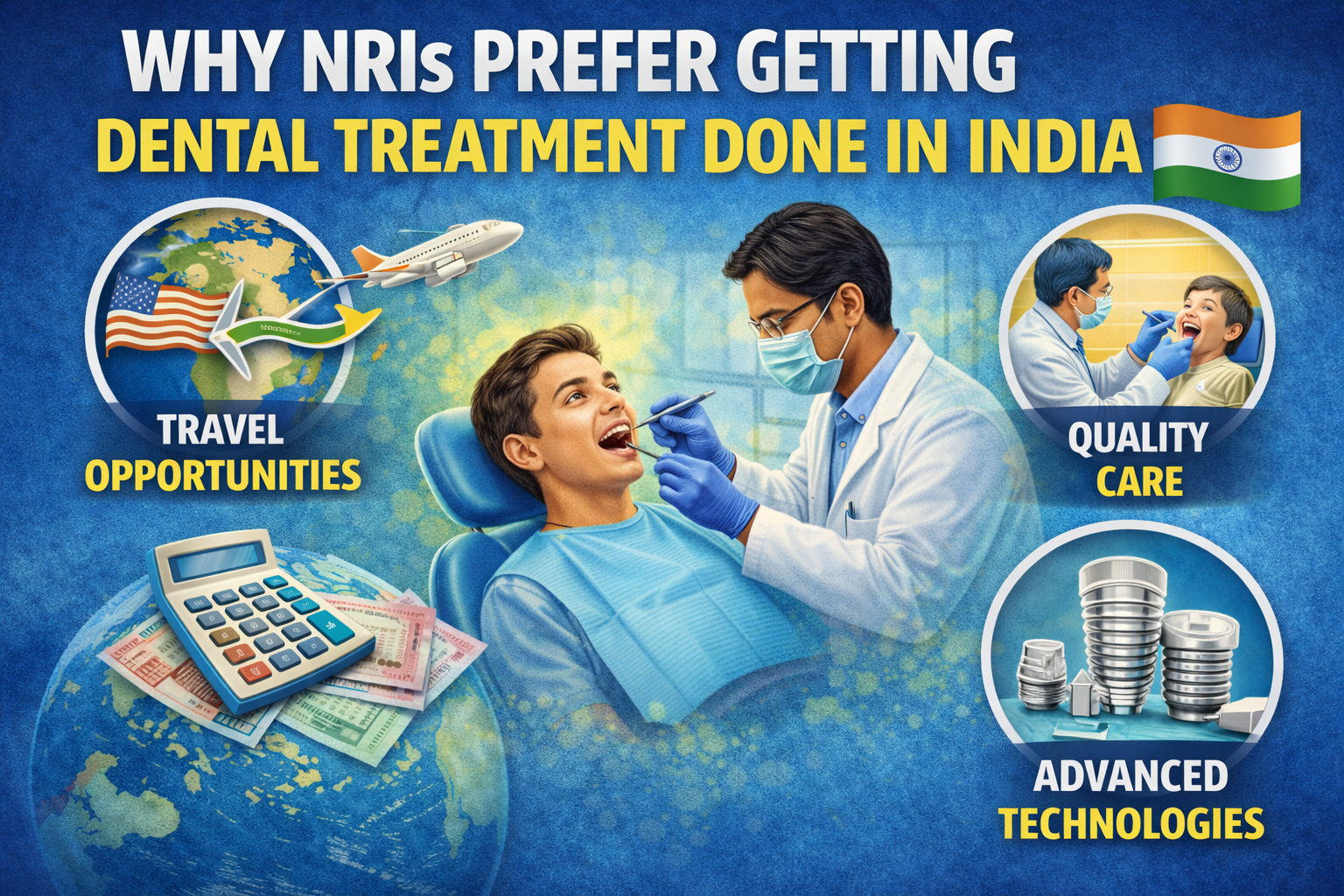
Every year, thousands of NRIs living in the US, UK, Canada, Australia, and across the Gulf quietly add one thing to their India trip itinerary: a visit to the dentist.
Not because dentists abroad are bad. But because the value equation in India is simply hard to argue with. A treatment that would cost them the equivalent of a flight ticket back home can often be done here at a fraction of the price, with comparable technology, and without a three-month waiting period.
But cost is only part of the story. There are deeper reasons why NRIs are increasingly making India their preferred destination for dental care. This blog unpacks all of them honestly.
1. The Cost Difference Is Genuinely Significant
Let us start with the most obvious reason: money.
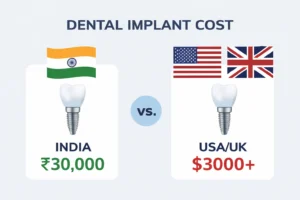
In countries like the US or UK, dental care is one of the most expensive healthcare services a person can access. Even with insurance, out-of-pocket costs add up quickly. A single dental implant in the US can cost anywhere between $3,000 to $6,000. In the UK, NHS waiting lists are long, and private dental work is expensive. In Canada and Australia, the situation is similar.
In India, the same treatment using internationally recognised implant brands, performed by qualified and experienced dentists can cost a fraction of that amount. When an NRI is already planning a trip home to visit family, combining that visit with a comprehensive dental treatment plan simply makes financial sense.
2. Quality of Care Has Caught Up — and Then Some
There is a common misconception that affordable means compromised. In the context of Indian dental care today, that could not be further from the truth.
Top dental clinics in India particularly in cities like Gurugram, Mumbai, Bangalore, and Delhi are equipped with the same technology used in practices abroad. Digital X-rays, 3D cone beam CT scans, CAD/CAM same-day crowns, laser dentistry, and internationally certified implant systems are no longer rare. Many Indian dentists have trained abroad, attended international conferences, and bring that global exposure back to their practice.
For NRIs, this means they do not have to compromise on quality to save money. They can access both.
3. No Long Waiting Times
If you have tried booking a dental appointment in the UK or Canada recently, you know the frustration. Waiting 3 to 6 months for a non-emergency appointment is not unusual. In some regions, NHS dental practices have stopped taking new patients altogether.
In India, appointments are available quickly sometimes the same week or even the same day. For NRIs who are in the country for a limited period, this is not a convenience. It is a necessity. A well-planned dental visit to India can accomplish in two to three weeks what might take the better part of a year to schedule abroad.

4. The Full-Treatment Holiday Model
Many NRIs now structure their India visits around what is sometimes called “dental tourism” combining a family holiday with a comprehensive dental treatment plan. The logic is straightforward: if you are flying home anyway, why not take care of everything that has been on the backburner?
Treatments that are commonly done during such visits include:
- Dental implants for missing teeth
- Full mouth rehabilitation
- Smile makeovers and teeth whitening
- Braces or clear aligner treatments
- Root canal treatments
- Crowns, bridges, and veneers
A skilled dentist in India can work with an NRI’s timeline, plan treatments across multiple appointments during their stay, and ensure they return abroad with work completed — or at least well underway.
5. Familiarity and Trust
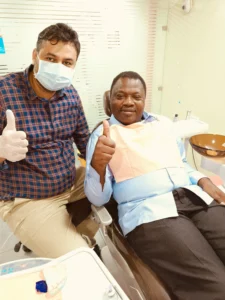
There is something to be said for being treated in a place where you feel genuinely understood. Many NRIs find that communicating in their native language whether Hindi, Punjabi, Tamil, or any regional language removes the awkwardness and anxiety that can come with medical appointments abroad.
Beyond language, there is also a cultural comfort. Indian dental professionals often take a more personalised, relationship-based approach. Patients are not rushed through appointments. Questions are welcomed. The experience tends to feel less clinical and more human.
For something as sensitive as dental treatment, that comfort matters more than people often admit.

6. Family Can Be Treated at the Same Time
When an NRI visits home, it is rarely just for themselves. Parents, siblings, children everyone gets included in the trip. Many NRIs use the opportunity to book dental check-ups for elderly parents who may not have visited a dentist in years, or to get their children’s first dental examination done in a familiar, comfortable setting.
This makes the trip more purposeful and, frankly, more efficient. One visit takes care of multiple family members across multiple treatments.
Things NRIs Should Plan Before Visiting
If you are planning to combine your India trip with dental treatment, a little preparation goes a long way:
Share your dental records in advance. If you have X-rays, treatment history, or a current issue that needs addressing, send them to the clinic before you arrive. This allows the dentist to plan properly and make the most of your time.
Be realistic about timelines. Some treatments like implants involve multiple stages and healing periods. A two-week visit might not be enough for every procedure. Your dentist can help you understand what is achievable within your schedule.
Ask about materials and brands. Good clinics are transparent about the implant systems, crown materials, and other products they use. Do not hesitate to ask a confident dentist will always be happy to explain.
Plan your first appointment early in the trip. If you book a consultation in the first two or three days, there is enough time to address findings before you leave.
Why Gurugram Is a Smart Choice for NRI Dental Care
Gurugram has quietly become one of the most sought-after cities for quality dental treatment in North India. With excellent connectivity to Delhi airport, world-class clinics, and a large NRI-connected community, it is a natural landing point for those visiting the NCR region.
At Vivaan Dental Clinic, Sector 90, Gurugram, we regularly treat patients visiting from abroad. We understand the time constraints, the need for clear communication, and the importance of getting treatment right the first time. Whether you need a single consultation or a full comprehensive dental treatment plan, our team is equipped to work around your visit.
FAQs
- How far in advance should I book a dental consultation before my India trip? Ideally, reach out at least 2 to 3 weeks before you arrive. This gives the clinic time to review your records, plan the treatment, and book appropriate appointment slots during your stay.
- Can complex treatments like implants be completed in a single trip? Implants require a healing period between the implant placement and the final crown. Some NRIs split this across two trips. However, for simpler treatments like root canals, crowns, fillings, or teeth whitening, a single trip is usually sufficient.
- Will my dental records from India be useful when I return abroad? Yes. A reputable clinic will provide you with complete treatment documentation, X-rays, and a summary of the work done — which you can share with your dentist abroad for continuity of care.
- Is it safe to get major dental work done in India? Absolutely, when you choose a qualified, well-equipped clinic. Check for credentials, read reviews, and do not hesitate to ask about the materials and procedures being used.
Published by Vivaan Dental Clinic | Sector 90, Gurugram Planning your next India trip? Reach out to us in advance — we will make sure your smile is taken care of.