Introduction
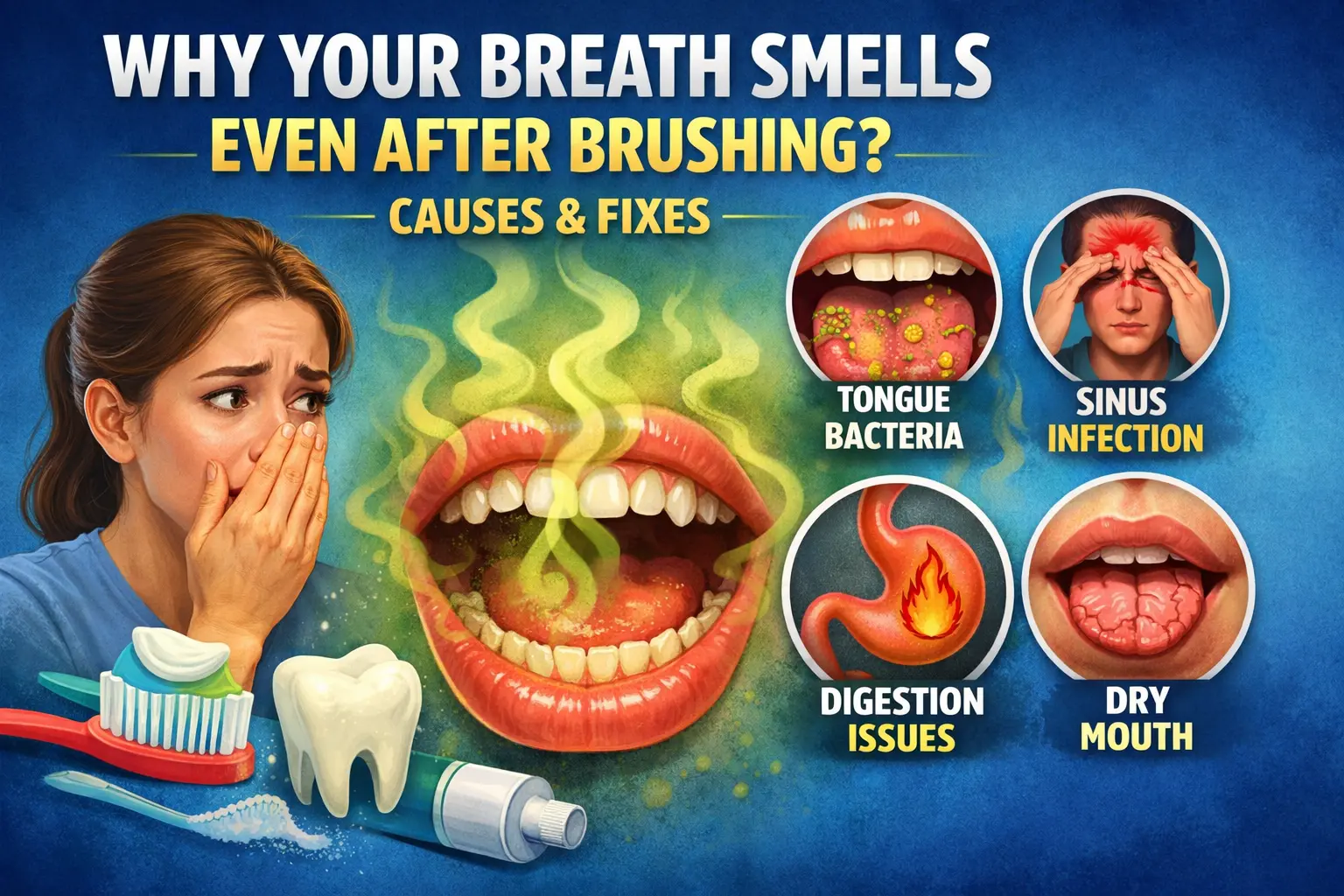
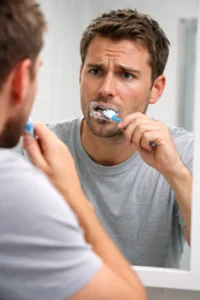
You brush your teeth every morning, rinse with mouthwash, maybe even pop a mint and yet, a few hours later, that uncomfortable feeling is back. Your breath just doesn’t smell as fresh as you’d like it to.
If this sounds familiar, you are not alone. Millions of people deal with persistent bad breath, medically known as halitosis, even when they follow a regular brushing routine. The truth is, brushing alone is often not enough and the root cause of the problem is sometimes something entirely unrelated to your mouth hygiene habits.
In this blog, we will break down the real reasons your breath still smells after brushing and what you can actually do about it.
What Is Bad Breath and Why Does It Happen?
Bad breath occurs when bacteria in your mouth break down food particles and release foul-smelling sulphur compounds. While this is a natural process, certain conditions allow these bacteria to multiply far beyond normal levels leading to persistent, noticeable odour.
If your breath smells bad even right after brushing, it means the source of the bacteria (or the odour) has not been addressed by brushing alone.
Top Causes of Bad Breath Even After Brushing
1. You Are Not Cleaning Your Tongue
Your tongue is a breeding ground for odour-causing bacteria. It has a rough, uneven surface full of tiny grooves where bacteria and dead cells collect especially towards the back. When you brush your teeth but skip your tongue, you are leaving the biggest source of bad breath untouched.
Fix: Use a tongue scraper every morning. It takes about 30 seconds and makes a noticeable difference.
2. Gum Disease (Periodontitis)
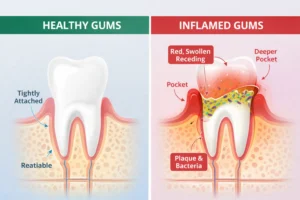
One of the most common and overlooked causes of bad breath is gum disease. When plaque and tartar build up along and below the gumline, it creates pockets where bacteria thrive. The bacteria release toxins that not only damage your gums but also produce a distinctly unpleasant smell that no amount of brushing will fix.
Fix: Visit a dentist for a professional cleaning and gum assessment. Gum disease is treatable, especially when caught early.
“Learn more about our gum disease treatment at Vivaan Dental Clinic” →
3. Dry Mouth (Xerostomia)
Saliva is your mouth’s natural cleaning system. It washes away food particles, neutralises acids, and keeps bacterial growth in check. When your mouth is dry due to dehydration, breathing through the mouth, certain medications, or medical conditions bacteria multiply faster, causing stronger odour.
Many people wake up with bad breath specifically because saliva production slows down during sleep.
Fix: Stay well hydrated throughout the day. If dry mouth is a recurring issue, mention it to your dentist as it may need medical attention.
4. Cavities and Tooth Decay
Decayed teeth have tiny holes and crevices where food particles get trapped and bacteria settle in. These areas are nearly impossible to clean with a regular toothbrush, making them a persistent source of foul smell.
Fix: Get a dental check-up to identify and fill any cavities. Untreated decay only worsens with time.
“Book a dental check-up at Vivaan Dental Clinic, Sector 90 Gurugram” →
5. Tonsil Stones
If your tonsils are healthy but you notice a consistent bad smell even with good oral hygiene you may have tonsil stones (tonsilloliths). These are small, calcified deposits that form in the pockets of your tonsils and carry a very strong, unpleasant odour.
Fix: Gargling with warm salt water can sometimes dislodge small stones. Persistent cases should be evaluated by a doctor or ENT specialist.
6. What You Eat and Drink
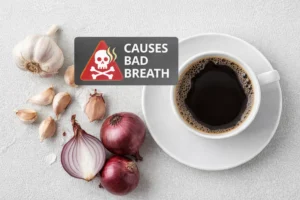
Strong-smelling foods like garlic, onions, and certain spices release odour compounds that enter your bloodstream and are exhaled through your lungs meaning the smell comes from inside your body, not just your mouth. Coffee and alcohol also reduce saliva production, adding to the problem.
Fix: Stay hydrated after consuming these foods. Eating fresh parsley, apples, or carrots can help neutralise odours naturally.
7. Medical Conditions
In some cases, bad breath is a sign of an underlying health issue. Conditions like acid reflux (GERD), sinus infections, diabetes, kidney problems, and liver disease can all produce distinct mouth odours. If your bad breath persists despite excellent oral hygiene, it is worth speaking to a doctor.
Fix: Do not ignore long-term bad breath. Get a complete check-up — both dental and medical.
How to Actually Fix Bad Breath – A Complete Routine
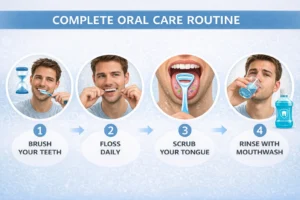
Here is what a truly effective oral hygiene routine looks like:
- Brush twice daily — Use fluoride toothpaste and brush for at least 2 minutes
- Floss daily — Remove food and plaque from between teeth where brushes cannot reach
- Scrape your tongue — Every morning, before brushing
- Use an antibacterial mouthwash — Choose one with chlorhexidine or cetylpyridinium chloride for better results
- Stay hydrated — Drink at least 8–10 glasses of water daily
- Visit your dentist every 6 months — Professional cleanings remove tartar that brushing cannot
When Should You See a Dentist?
You should visit a dentist if:
- Your bad breath has lasted more than 2–3 weeks despite good hygiene
- You notice bleeding gums, swelling, or tooth sensitivity
- Your breath has a very distinct smell (sweet/fruity, fishy, or chemical-like)
- You have not had a dental check-up in over 6 months
Bad breath is rarely “just the way it is.” In most cases, it has a treatable cause — and catching it early makes treatment much simpler and more affordable.
Get Your Smile — and Your Confidence — Back
At Vivaan Dental Clinic Braces and Implant Centre, Sector 90, Gurugram, we understand that bad breath can quietly affect your confidence, your relationships, and your daily life. Our experienced dental team takes a thorough, root-cause approach not just treating the symptom, but finding and fixing what’s actually causing it.
Whether it’s a routine cleaning, gum treatment, cavity filling, or a comprehensive oral health check-up, we are here to help you breathe easy literally.
“Book your consultation at Vivaan Dental Clinic today” →
Frequently Asked Questions (FAQs)
- Can bad breath be a sign of something serious? Yes. Persistent bad breath can sometimes indicate gum disease, tooth decay, acid reflux, sinus infection, or other underlying health conditions. If it does not improve with good hygiene, see a dentist.
- Why does my breath smell bad in the morning even after brushing at night? Saliva production reduces while you sleep, allowing bacteria to multiply. A dry mouth overnight is one of the leading causes of morning breath. Brush and scrape your tongue first thing in the morning.
- Is mouthwash enough to cure bad breath? No. Mouthwash provides temporary freshness but does not address the root cause. It works best as a supplement to brushing, flossing, and tongue cleaning — not a replacement.
- How often should I visit the dentist for bad breath? At least every 6 months for a routine check-up and cleaning. If bad breath is persistent, an earlier appointment is recommended.
Published by Vivaan Dental Clinic | Sector 90, Gurugram For appointments, call us or visit our website.